


Professional illustration about Dupont
DC Area Living Guide
DC Area Living Guide
Living in the Washington, D.C. area offers a dynamic blend of history, culture, and modern urban living. Whether you're drawn to the historic charm of Georgetown, the vibrant nightlife of Adams Morgan, or the waterfront allure of The Wharf, the District of Columbia has a neighborhood to match every lifestyle. The city’s urban planning prioritizes walkability and access to public transportation, with the metro system connecting key areas like Dupont Circle, the U.S. Capitol, and the National Mall. For those who love exploring, the Smithsonian Museums—including the National Gallery of Art—offer free admission, making culture and education accessible to all.
The tourism industry thrives here, but residents enjoy perks like off-peak visits to iconic landmarks such as the Lincoln Memorial and the White House. Dining options range from upscale restaurants along the Potomac River to eclectic eateries in Adams Morgan, catering to every palate. The cultural institutions and historical landmarks ensure there’s always something new to discover, whether it’s a seasonal festival or a hidden gem in the city’s neighborhoods.
For families and professionals alike, the capital city balances work and leisure seamlessly. The Smithsonian Institution hosts year-round events, while the National Mall serves as a sprawling green space for recreation. Housing varies from historic row houses in Georgetown to modern high-rises near The Wharf, with public transportation making commutes manageable. The tourism buzz adds energy, but the local community fosters a sense of belonging—whether you’re here for politics, culture, or simply the unique vibe of Washington DC.
Pro tip: Explore beyond the attractions. Neighborhoods like Dupont Circle offer farmer’s markets and boutique shopping, while the Potomac River provides kayaking and scenic trails. With a robust metro system and endless dining options, settling here means embracing both convenience and adventure.
Professional illustration about Georgetown
Best DC Neighborhoods
Dupont Circle is one of the most vibrant and walkable neighborhoods in Washington, D.C., known for its historic row houses, upscale dining, and lively arts scene. Located near the National Mall and Smithsonian Museums, it’s a prime spot for tourists and locals alike. The area boasts a mix of high-end boutiques, cozy bookstores, and some of the best international cuisine in the District of Columbia. With easy access to the metro system, Dupont Circle is a hub for professionals, students, and creatives. The neighborhood also hosts the famous Dupont Circle Farmers Market, a must-visit for fresh, local produce.
Just a short distance away, Georgetown offers a charming blend of history and modernity. Nestled along the Potomac River, this neighborhood is famous for its cobblestone streets, luxury shopping, and waterfront dining. Visitors can explore Georgetown University, stroll along the C&O Canal, or enjoy a scenic view from Key Bridge. The dining scene here ranges from casual bakeries to Michelin-starred restaurants, making it a food lover’s paradise. Plus, its proximity to the National Gallery of Art and other cultural institutions makes it a top choice for those who appreciate both history and contemporary flair.
For a more eclectic vibe, Adams Morgan stands out with its diverse nightlife, international eateries, and colorful murals. This neighborhood is a melting pot of cultures, offering everything from Ethiopian cuisine to live jazz bars. The U Street Corridor nearby adds to the appeal with its legendary music venues and trendy rooftop bars. Adams Morgan is also well-connected by public transportation, making it easy to explore other historical landmarks like the Lincoln Memorial and White House.
If you’re looking for a waterfront experience, The Wharf is D.C.’s newest hotspot. This revitalized district along the Potomac River features upscale hotels, concert venues, and fresh seafood restaurants. Visitors can take a water taxi to National Harbor or simply enjoy the scenic boardwalk. The Wharf is also home to The Anthem, a premier live music venue, and is just minutes from the U.S. Capitol, blending entertainment with political history.
For those who prioritize convenience and iconic sights, staying near the National Mall is ideal. This area puts you within walking distance of the Smithsonian Institution museums, the Washington Monument, and the U.S. Capitol. Hotels here cater to tourism industry standards, offering luxury accommodations with unbeatable views. While it’s a busier part of town, the access to public transportation and major attractions makes it perfect for first-time visitors.
Each of these neighborhoods offers something unique, whether it’s urban planning excellence, rich history, or a thriving dining scene. Depending on your interests—be it museums, nightlife, or waterfront relaxation—Washington DC has a neighborhood that fits your vibe. The city’s metro system ensures you can easily hop between these areas, making it simple to experience the best of the capital city in one trip.

Professional illustration about National
DC Public Transport Tips
Navigating Washington, D.C.'s public transportation system is a breeze if you know the ins and outs—especially when exploring hotspots like Dupont Circle, Georgetown, and the National Mall. The Metro, operated by WMATA, remains the backbone of the capital city's urban planning, with six color-coded lines connecting major historical landmarks, cultural institutions, and neighborhoods. In 2025, the system has expanded with improved accessibility features, including elevator upgrades at key stations like U.S. Capitol and Smithsonian. Pro tip: Download the official SmarTrip app for contactless payments and real-time train arrivals.
For tourists, the National Gallery of Art and Smithsonian Museums are easily accessible via the Blue, Orange, and Silver Lines (exit at Smithsonian or Federal Triangle). If you're heading to The Wharf for waterfront dining, hop on the Green Line to Waterfront Station. Adams Morgan, a nightlife hub, isn’t directly served by Metro, but the Circulator bus (DC’s $1 shuttle) runs from Dupont Circle—just grab a window seat for scenic views of the Potomac River.
Buses fill the gaps where Metro doesn’t reach. The 30-series buses are lifelines to Georgetown, which lacks a Metro stop. Route 31 from Foggy Bottom drops you near Georgetown University, while the G2 connects Union Station to Adams Morgan. For Lincoln Memorial visits, the DC Circulator’s National Mall route is a time-saver, looping past the White House and Washington Monument.
Peak hours (6:30–9:30 AM and 3:30–6:30 PM) get crowded, so plan around them. Off-peak fares are cheaper, and weekend schedules are less frequent but more relaxed. If you’re hotel-hopping near The Wharf, note that the area’s streetcar line now extends to Benning Road, making east-west trips smoother.
Cycling complements public transport nicely. Capital Bikeshare stations are everywhere, and e-scooters (like Lime or Bird) are perfect for short jaunts between Smithsonian Institution sites. Just remember: Helmets aren’t just smart—they’re legally required for riders under 16.
For late-night exploration, Metro runs until midnight Sunday–Thursday and 1 AM Friday–Saturday. Night Owl buses cover major routes after hours, but rideshares might be safer post-midnight. Pro tip: Check WMATA’s Twitter for service alerts—track work in 2025 occasionally reroutes trains, especially near District of Columbia’s core.
Finally, don’t overlook the tourist industry’s free resources. Visitor centers near the National Mall offer pocket-sized transit maps, and hotel concierges often have Circulator passes. Whether you’re museum-hopping or bar-crawling in Adams Morgan, mastering D.C.’s transit saves time, money, and sanity.
Professional illustration about Washington
Top DC Attractions 2025
Washington, D.C. remains one of the most dynamic capital cities in the world, and 2025 brings fresh energy to its iconic attractions. The National Mall continues to be the heart of the District of Columbia’s tourism industry, with its sprawling green spaces flanked by legendary landmarks like the Lincoln Memorial, U.S. Capitol, and White House. Recent urban planning initiatives have enhanced visitor experiences, including expanded walking paths and interactive digital guides. Don’t miss the Smithsonian Institution’s latest exhibits—the Smithsonian Museums are constantly updating their collections, and the National Gallery of Art has debuted a groundbreaking immersive installation this year.
For a change of pace, head to Georgetown, where historic cobblestone streets meet modern dining and shopping. The neighborhood’s waterfront along the Potomac River offers scenic strolls and seasonal events, while M Street buzzes with boutique hotels and trendy cafes. Nearby, The Wharf has solidified its reputation as a must-visit destination, blending cultural institutions with nightlife. Check out the 2025 summer concert series or hop on a water taxi for unique views of the city.
If you’re craving local flavor, Dupont Circle and Adams Morgan deliver vibrant nightlife and diverse culinary scenes. Dupont’s historic row houses and art galleries contrast with Adams Morgan’s eclectic mix of live music venues and international eateries. Both neighborhoods are easily accessible via D.C.’s efficient metro system, making them ideal for travelers relying on public transportation.
Pro tip: Many of these attractions host special events in 2025, from the Smithsonian’s 180th-anniversary celebrations to outdoor film screenings on the National Mall. Always check visitor information centers for the latest updates, as the city’s tourism offerings evolve rapidly. Whether you’re into historical landmarks, museums, or lively neighborhoods, Washington, D.C. in 2025 has something to captivate every traveler.
Professional illustration about District
DC Dining Hotspots
DC Dining Hotspots: Where to Eat in the Nation’s Capital
Washington, D.C. is a food lover’s paradise, blending global flavors with local charm. Whether you’re near the National Mall, exploring Georgetown, or strolling through Dupont Circle, the city’s dining scene offers something for every palate. Start your culinary adventure at The Wharf, a waterfront district buzzing with fresh seafood spots like Del Mar de Fabio Trabocchi, where Spanish-inspired dishes pair perfectly with Potomac River views. For a taste of D.C.’s multicultural vibe, head to Adams Morgan, a neighborhood packed with Ethiopian eateries (try Zenebech Injera) and lively rooftop bars.
History buffs can dine in the shadow of the U.S. Capitol or White House at iconic spots like Old Ebbitt Grill, the city’s oldest saloon, known for its oysters and political clientele. Meanwhile, Georgetown mixes upscale dining (think Fiola Mare for Italian seafood) with cozy cafes like Baked & Wired for artisanal treats. Don’t miss the Smithsonian Institution’s surrounding gems: the National Gallery of Art’s Garden Café offers a serene lunch spot amid masterpieces, while food trucks near the Lincoln Memorial serve quick bites for tourists on the go.
D.C.’s urban planning shines in its walkable neighborhoods, each with distinct flavors. Dupont Circle lures with French bistros (Le Diplomate) and wine bars, while the Potomac River-adjacent District Wharf blends fine dining with casual waterfront hangs. Pro tip: Use the metro system to hop between cultural institutions and meals—like grabbing ramen at Daikaya after a Smithsonian Museums marathon. Whether you’re craving half-smokes at Ben’s Chili Bowl or Michelin-starred tasting menus, D.C.’s tourism boom ensures every meal is as memorable as its historical landmarks.
Professional illustration about Morgan
DC Nightlife Guide
Washington, D.C. nightlife offers an electrifying mix of historic charm and modern energy, with neighborhoods like Dupont Circle, Georgetown, and Adams Morgan leading the charge. Whether you're sipping craft cocktails with views of the Potomac River or dancing the night away near the U.S. Capitol, the capital city knows how to keep the party going. Here’s a breakdown of the best spots to experience DC nightlife in 2025, blending cultural institutions, historical landmarks, and vibrant local scenes.
Dupont Circle is a hub for eclectic nightlife, where upscale lounges and dive bars coexist. The neighborhood’s urban planning ensures walkability, making it easy to hop from a speakeasy-style cocktail bar to a live music venue. Nearby, the National Gallery of Art often hosts evening events, blending art with after-dark socializing. For a more laid-back vibe, head to Georgetown, where waterfront bars along the Potomac River offer stunning views of the Lincoln Memorial and Kennedy Center. The Wharf, D.C.’s revitalized waterfront district, is another must-visit, featuring rooftop bars with skyline vistas and trendy clubs that draw both locals and tourists.
If you’re looking for a rowdier scene, Adams Morgan delivers with its diverse array of pubs, dance floors, and late-night eateries. The neighborhood’s public transportation access via the metro system makes it a convenient choice for bar-hopping. Meanwhile, history buffs can enjoy unique nightlife experiences near the National Mall, where seasonal events like outdoor movie screenings or moonlight tours of the Smithsonian Museums add a twist to typical evening plans. The Smithsonian Institution occasionally extends hours for special exhibits, combining tourism with after-hours exploration.
For those who prefer sophistication, the areas around the White House and U.S. Capitol boast high-end lounges and wine bars frequented by politicos and influencers. The tourism industry here caters to a discerning crowd, with exclusive venues often requiring reservations. Pro tip: Check local visitor information for pop-up events or rooftop parties with panoramic views of the District of Columbia’s iconic skyline.
No DC nightlife guide would be complete without mentioning the city’s thriving dining scene, which seamlessly transitions from dinner to drinks. Neighborhoods like The Wharf and Georgetown offer waterfront restaurants that turn into lively bars as the night progresses. Whether you’re here for the attractions, the events, or just the vibe, Washington, D.C.’s nightlife in 2025 promises something for every taste—from history-infused cocktails to pulse-pounding dance floors.

Professional illustration about Potomac
DC Real Estate Trends
DC Real Estate Trends
The Washington, D.C. real estate market continues to evolve in 2025, shaped by a mix of historical charm and modern urban development. Neighborhoods like Dupont Circle and Georgetown remain highly sought-after, blending historic row houses with luxury condos, while areas near The Wharf and Potomac River are seeing a surge in waterfront living demand. The city’s proximity to iconic landmarks—such as the White House, Lincoln Memorial, and Smithsonian Museums—adds to its appeal, driving both residential and commercial interest.
One standout trend is the growing emphasis on mixed-use developments, particularly in Adams Morgan and near the National Mall, where retail, dining, and residential spaces merge seamlessly. These projects cater to professionals and families alike, offering walkability to cultural institutions like the National Gallery of Art and easy access to the metro system. Meanwhile, the demand for sustainable housing is rising, with energy-efficient buildings and green rooftops becoming selling points in listings.
The tourism boom also plays a role, as short-term rentals near attractions like the U.S. Capitol or Smithsonian Institution yield high returns for investors. However, inventory remains tight in prime locations, pushing prices upward. For buyers, Washington, D.C. offers a competitive but rewarding market, especially for those prioritizing proximity to public transportation and urban planning hubs. Renters, on the other hand, face steep costs but benefit from the city’s vibrant dining scene and events calendar.
Commercial real estate is adapting too, with coworking spaces and boutique hotels thriving in areas like Georgetown and Dupont Circle. The tourism industry’s rebound has revived interest in hospitality ventures, particularly near historical landmarks. Whether you’re eyeing a historic brownstone or a sleek high-rise, D.C.’s market demands strategic timing—and a keen eye for neighborhoods poised for growth.

Professional illustration about Wharf
DC Job Market 2025
The DC Job Market in 2025: Where Opportunity Meets Urban Vibrancy
Washington, D.C.’s job market in 2025 is thriving, fueled by its unique blend of government, tech, and cultural sectors. The city’s core—stretching from Dupont Circle to Georgetown and anchored by landmarks like the U.S. Capitol and White House—remains a powerhouse for policy and advocacy roles. But beyond politics, neighborhoods like Adams Morgan and The Wharf are buzzing with startups and hospitality gigs, thanks to the area’s booming tourism and dining scenes. The Smithsonian Institution and National Gallery of Art continue to drive demand for creative and educational roles, while the Potomac River waterfront attracts green-energy and urban planning innovators.
For job seekers, the key is leveraging D.C.’s metro system to access opportunities across the capital city. The National Mall corridor, for instance, is a hotspot for federal contractors and NGOs, while cultural institutions near the Lincoln Memorial often hire for events and visitor engagement. Remote work trends have also reshaped the market, with hybrid roles in tech (think cybersecurity and AI) growing fast—many firms are based near transit hubs for easy commutes. Pro tip: Networking at Smithsonian Museums after-hours events or historic landmarks can open doors in unexpected fields, from heritage tourism to public-sector innovation.
Salaries here are competitive, especially in law, consulting, and federal IT, but cost of living varies widely. A studio in Georgetown might stretch your budget, while Adams Morgan offers more affordable options with a lively social scene. Meanwhile, the city’s focus on urban planning and sustainability (like the Anacostia River cleanup) is creating jobs in environmental policy and infrastructure—perfect for candidates who want to shape D.C.’s future. Whether you’re drawn to historical landmarks or cutting-edge industries, D.C.’s 2025 job market rewards those who tap into its dynamic mix of tradition and transformation.
Professional illustration about Capitol
DC Schools Ranking
When it comes to DC schools ranking, Washington, D.C. offers a mix of top-tier public, private, and charter schools, many of which are located in highly sought-after neighborhoods like Dupont Circle, Georgetown, and Adams Morgan. The District of Columbia’s education system has seen significant improvements in recent years, with several schools now ranking among the best in the nation. For families moving to the capital city, understanding the school landscape is crucial, especially since proximity to cultural institutions like the Smithsonian Museums and historical landmarks such as the Lincoln Memorial can enhance a child’s learning experience outside the classroom.
Public schools in Washington, D.C. are managed by DC Public Schools (DCPS) and the Public Charter School Board (PCSB). Some of the highest-ranked DCPS schools include School Without Walls High School, located near The Wharf, and Alice Deal Middle School in Tenleytown, both known for their rigorous academic programs. Charter schools like Basis DC and DC International School also rank highly, offering specialized curricula that appeal to families looking for alternatives to traditional public schools. Private institutions, such as Sidwell Friends School (near the Potomac River) and Georgetown Day School, are renowned for their elite academics and have educated children of prominent political figures.
Location plays a big role in school selection, especially since public transportation and the metro system make commuting easier for students. Families living near the National Mall or U.S. Capitol often prioritize schools with strong STEM programs, given the proximity to the Smithsonian Institution and National Gallery of Art, which provide unparalleled resources for science and arts education. Meanwhile, neighborhoods like Georgetown and Dupont Circle are popular for their walkability and access to after-school programs tied to the city’s thriving tourism industry and dining scene.
For parents evaluating DC schools ranking, here are key factors to consider:
- Academic Performance: Check standardized test scores and graduation rates, which are publicly available through the DC Office of the State Superintendent of Education (OSSE).
- Extracurriculars: Many top schools partner with cultural institutions for enrichment programs—think debate teams that compete at the White House or art classes that visit the Smithsonian Museums.
- Diversity & Inclusion: D.C. schools are known for their multicultural environments, reflecting the city’s dynamic population.
- Transportation: Schools near metro system hubs (like those along the Red Line) are convenient for families relying on public transportation.
While rankings are important, the best school for your child depends on their needs. For example, a student passionate about history might thrive at a school near the Lincoln Memorial, where field trips to historical landmarks are frequent. On the other hand, a budding scientist could benefit from a school with labs that collaborate with the Smithsonian Institution. Ultimately, Washington, D.C.’s education system offers diverse options, making it essential to tour schools and engage with local parents for firsthand insights.

Professional illustration about White
DC Outdoor Activities
Washington, D.C. is a paradise for outdoor enthusiasts, blending urban planning with green spaces and waterfront attractions. Whether you're a local or a visitor, the capital city offers endless opportunities to explore its historical landmarks, vibrant neighborhoods, and scenic spots. Start your adventure at the National Mall, the heart of Washington DC's outdoor scene. This two-mile stretch is flanked by iconic monuments like the Lincoln Memorial and the U.S. Capitol, perfect for a leisurely stroll or a bike ride. The Mall also hosts seasonal events, from summer concerts to winter ice-skating, making it a year-round destination.
For a more laid-back vibe, head to Georgetown, where the Potomac River provides a picturesque backdrop. The Georgetown Waterfront Park is ideal for kayaking, paddleboarding, or simply enjoying a picnic with views of the Kennedy Center. Nearby, the C&O Canal Towpath offers a serene escape for hiking and biking, stretching 184 miles from Washington, D.C. to Cumberland, Maryland. If you're into dining with a view, The Wharf is a must-visit. This revitalized waterfront district features trendy restaurants, live music, and boat tours along the Potomac River.
Dupont Circle and Adams Morgan are perfect for those who love combining outdoor activities with cultural institutions. Dupont Circle’s fountain plaza is a hub for people-watching, chess games, and weekend farmers' markets. Just a short walk away, Rock Creek Park—one of the oldest urban parks in the District of Columbia—offers trails for hiking, horseback riding, and even planetarium shows. Meanwhile, Adams Morgan’s Meridian Hill Park is known for its cascading fountain and Sunday drum circles, a unique blend of nature and local culture.
Art lovers can enjoy the outdoors while exploring the Smithsonian Museums and the National Gallery of Art. The Sculpture Garden at the National Gallery is a hidden gem, featuring contemporary art installations surrounded by lush greenery. Many Smithsonian Institution museums also have outdoor spaces, like the Hirshhorn Museum’s sculpture garden or the National Museum of African American History and Culture’s contemplative court.
For a dose of history mixed with recreation, the Tidal Basin is unbeatable. In spring, the cherry blossoms draw crowds, but year-round, you can rent a pedal boat or take a guided tour around the basin, with views of the White House and Jefferson Memorial. The metro system makes it easy to hop between these spots, with stations near most major attractions.
If you're looking for a more active outing, Washington DC’s tourism industry has plenty to offer. The Capital Crescent Trail connects Georgetown to Bethesda, Maryland, and is popular with cyclists and joggers. For a unique perspective, consider a sunset cruise on the Potomac River or a guided segway tour past the city’s historical landmarks.
No matter your interest, Washington, D.C.’s outdoor scene caters to all. From the cultural institutions along the National Mall to the lively neighborhoods like The Wharf and Adams Morgan, the city seamlessly blends nature with its rich tourism offerings. Whether you're exploring by foot, bike, or boat, the District of Columbia promises an unforgettable outdoor experience.
Professional illustration about Memorial
DC Cultural Events
DC Cultural Events: A Dynamic Blend of History, Art, and Community
Washington, D.C. isn’t just the political heart of America—it’s a thriving hub for cultural events that celebrate everything from global art to local traditions. The Smithsonian Institution, with its world-class Smithsonian Museums, hosts year-round exhibitions and festivals, many of which are free. For example, the National Gallery of Art frequently organizes live jazz nights and curator-led tours, blending fine art with immersive experiences. Meanwhile, neighborhoods like Dupont Circle and Adams Morgan pulse with indie music showcases, pop-up galleries, and international food fairs that reflect the city’s diverse demographics.
Seasonal events dominate the calendar, especially around the National Mall and The Wharf. Summer brings the Screen on the Green outdoor movie series against the backdrop of the U.S. Capitol, while winter lights up with Georgetown GLOW, an award-winning public art installation. The Potomac River also sets the stage for unique happenings, like floating concerts and waterfront yoga sessions. Don’t miss the DC Jazz Festival, which transforms venues across the city—from historic theaters to open-air stages near the Lincoln Memorial—into a musician’s playground.
For those who love hyper-local flavor, the Adams Morgan Day Festival showcases the neighborhood’s multicultural roots through live performances and craft vendors. Over in Georgetown, French Market weekends channel European flair with vintage shopping and café culture. Even D.C.’s public transportation system gets in on the action: the Metro Art Nights program turns subway stations into impromptu galleries, proving the city’s creativity spills beyond traditional venues. Pro tip: Check tourism offices for free passes to ticketed events—many cultural institutions partner with hotels to offer visitor discounts.
Whether you’re exploring historical landmarks by day or dancing under the stars at The Wharf’s Sunset Cinema, D.C.’s event scene thrives on accessibility and innovation. The city’s urban planning ensures walkability between hotspots, so you can easily hop from a White House garden tour to a punk rock flea market in nearby alleys. With such a mix of highbrow and grassroots options, the capital’s cultural calendar truly offers something for every traveler and local alike.
Note: Many events pivot around the tourism industry peak seasons (spring cherry blossoms and fall foliage), so planning ahead is key—especially for festivals requiring reservations.
Professional illustration about Washington
DC Safety Tips
DC Safety Tips: Navigating the Capital with Confidence
Washington, D.C. is a vibrant capital city packed with iconic landmarks like the Lincoln Memorial, U.S. Capitol, and Smithsonian Museums, but like any major urban area, staying safe requires awareness. Whether you’re exploring Georgetown’s cobblestone streets, admiring art at the National Gallery of Art, or strolling along the Potomac River, these practical tips will help you enjoy the District safely.
Stay Alert in Crowded Areas: The National Mall and Smithsonian Institution attract millions, making them prime spots for pickpockets. Keep valuables secure and avoid distractions like excessive phone use. Popular neighborhoods like Adams Morgan and The Wharf are lively but can get crowded at night—stick to well-lit areas and travel in groups when possible.
Use Public Transportation Wisely: D.C.’s metro system is efficient, but late-night rides may require extra caution. Stations near Dupont Circle and White House are generally safe, but always check metro schedules to avoid long waits. If using rideshares, verify the driver’s details before entering.
Know Your Surroundings: Historic districts like Georgetown blend residential and tourist areas, so boundaries can shift quickly. Apps like DC’s official tourism resources provide real-time updates on events or construction that might affect routes. Avoid isolated paths along the Potomac River after dark unless in a group.
Respect Cultural Institutions’ Rules: The Smithsonian Museums and National Gallery of Art have strict bag policies and security checks. Complying avoids delays and ensures a smooth visit. Similarly, protests near the U.S. Capitol or White House are common—monitor local news for advisories.
Dine and Explore Smartly: Adams Morgan’s nightlife and The Wharf’s dining scene are must-visits, but research venues beforehand. Stick to reputable spots with clear safety protocols. If drinking, plan your return trip ahead—don’t wander unfamiliar streets alone.
Weather and Seasonal Prep: Summers near the National Mall can be sweltering; carry water and sunscreen. Winter visits require traction-friendly shoes for icy sidewalks around monuments. The Potomac River’s trails are scenic but check weather alerts for flooding risks.
By blending common sense with these tailored strategies, you’ll navigate D.C.’s urban planning highlights—from Dupont Circle’s buzz to the tranquility of the Lincoln Memorial—with confidence. The city’s tourism industry thrives on visitor safety, so leverage resources like hotel concierges or D.C.’s official visitor guides for real-time updates.
Professional illustration about Smithsonian
DC Tech Scene 2025
The DC Tech Scene in 2025 is buzzing with innovation, blending historic charm and cutting-edge advancements across neighborhoods like Dupont Circle, Georgetown, and Adams Morgan. The city’s urban planning has prioritized tech hubs near cultural institutions like the Smithsonian Museums and the National Gallery of Art, creating a unique ecosystem where startups thrive alongside historical landmarks. Co-working spaces near the Potomac River and The Wharf cater to remote workers, while incubators around the U.S. Capitol attract policy-focused tech ventures.
One standout trend is the rise of "smart tourism," leveraging AI to enhance visitor experiences at the Lincoln Memorial or National Mall. Apps now offer augmented reality tours, and local startups are partnering with hotels to integrate IoT for personalized stays. The metro system has also gotten a tech upgrade, with real-time tracking and contactless payments making it easier for professionals to commute between Dupont Circle’s networking events and Georgetown’s boutique tech conferences.
Food tech is another highlight, with robot-assisted kitchens popping up in Adams Morgan, offering everything from artisanal coffee to late-night bites. Meanwhile, the Smithsonian Institution has embraced VR, allowing virtual visits to exhibits—perfect for tech-savvy tourists or hybrid workers looking for inspiration.
What sets D.C. apart is its focus on public-private partnerships. For example, federal agencies collaborate with cybersecurity firms near the White House, while cultural institutions host hackathons to solve urban challenges. Whether you’re a founder eyeing the tourism industry or a developer drawn to urban planning innovations, D.C.’s tech scene offers a dynamic mix of grit and grandeur.
Pro tip: Check out coworking spaces with rooftop views of the Potomac River—perfect for brainstorming sessions after a museum hop.

Professional illustration about Smithsonian
DC Shopping Destinations
Washington, D.C. is a shopper’s paradise, blending high-end boutiques, historic markets, and quirky local shops across its vibrant neighborhoods. Whether you're hunting for luxury brands, vintage finds, or unique souvenirs, the District of Columbia offers diverse retail experiences against the backdrop of iconic landmarks like the White House, Lincoln Memorial, and Potomac River. Here’s a deep dive into the capital city’s top shopping destinations.
Georgetown is a must-visit for fashionistas and trendsetters. This historic neighborhood, nestled along the Potomac River, is home to upscale brands like Tory Burch and Ralph Lauren, alongside indie boutiques offering handmade jewelry and designer consignment. M Street and Wisconsin Avenue are the main drags, where you’ll find everything from streetwear at Nike to curated home goods at Urban Outfitters. Don’t miss Georgetown Park, a mixed-use space with shops and dining options, perfect for a break between purchases. The area’s cobblestone streets and Federal-style architecture add charm to your shopping spree, making it a favorite for locals and tourists alike.
For a more eclectic vibe, head to Adams Morgan. This culturally rich neighborhood is a hub for vintage stores, record shops, and global boutiques. Meeps is a standout for thrifted fashion, while Idle Time Books caters to bibliophiles with its curated selection of used and rare titles. The area’s 18th Street strip is also packed with ethnic markets and quirky gift shops, reflecting the district’s multicultural flair. Adams Morgan’s nightlife spills into its retail scene, with many stores staying open late, so you can shop after exploring nearby cultural institutions or grabbing a bite at one of the neighborhood’s famed eateries.
If you prefer shopping with a view, The Wharf delivers. This revitalized waterfront district combines luxury retail with stunning Potomac River vistas. Browse high-end brands like South Moon Under or pick up nautical-themed souvenirs at local shops. The Wharf’s open-air layout and proximity to National Mall attractions make it a convenient stop during a day of sightseeing. Seasonal markets and pop-up vendors often add to the buzz, especially during summer events or holiday festivities.
Dupont Circle offers a mix of sophistication and local flavor. The Kramerbooks & Afterwords bookstore-café is a beloved institution, perfect for picking up a bestseller while sipping coffee. Nearby, Connecticut Avenue boasts high-end home décor stores and chic clothing boutiques. Dupont’s Sunday farmers’ market is a gem for artisanal goods, from organic honey to handmade ceramics. The neighborhood’s metro system access makes it a hassle-free destination for visitors staying downtown or near the U.S. Capitol.
History buffs will adore the shopping near the National Mall. The Smithsonian Museums and National Gallery of Art gift shops are treasure troves of unique souvenirs, from astronaut ice cream at the Air and Space Museum to Monet-inspired prints at the National Gallery. While the Mall itself isn’t a retail hub, its proximity to Penn Quarter means you’re just steps away from flagship stores like H&M and specialty shops selling political memorabilia—ideal for commemorating your trip to the capital city.
For a curated, high-design experience, Union Market in Northeast D.C. is a standout. This gourmet market also features local artisans selling handmade candles, ceramics, and apparel. It’s a great spot to support small businesses while enjoying the district’s thriving tourism industry. Nearby, NoMa’s retail scene is growing, with stylish home goods stores and boutique fitness shops catering to the area’s young professionals.
Pro Tips for Savvy Shoppers:
- Public transportation is your friend—D.C.’s metro system connects most shopping districts, avoiding parking hassles.
- Check for events like Downtown Holiday Market (November–December) or Eastern Market’s weekend fairs for seasonal finds.
- Many neighborhoods, like Georgetown and Adams Morgan, offer discounts during tourism off-peak seasons (January–February).
- Pair shopping with sightseeing—stores near the Lincoln Memorial or Smithsonian Institution often close early, so plan accordingly.
From luxury to bohemian, Washington, D.C.’s shopping scene mirrors its dynamic urban planning and rich history. Whether you’re exploring historic landmarks or hunting for the perfect gift, the city’s retail landscape promises something for every taste and budget.
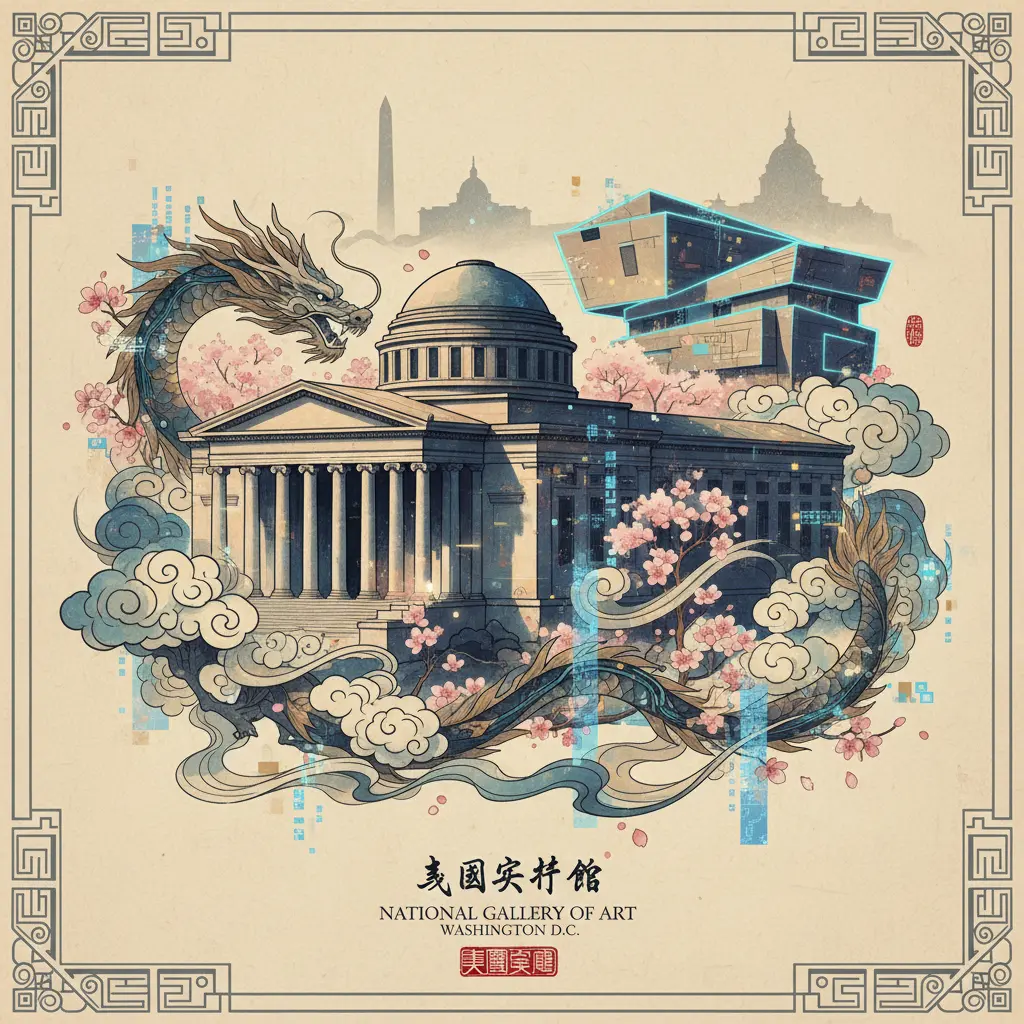
Professional illustration about National
DC Commuting Solutions
Navigating Washington, D.C. can be a breeze if you know the best commuting solutions for the capital city. The metro system, operated by WMATA, remains the backbone of public transportation, connecting key neighborhoods like Dupont Circle, Georgetown, and Adams Morgan to major attractions such as the National Mall, U.S. Capitol, and White House. In 2025, the Silver Line extension has further improved access to Dulles Airport, making it easier for tourists and locals alike to explore the city. For a scenic route, consider hopping on the DC Circulator—a budget-friendly bus service that loops around hotspots like The Wharf and the Smithsonian Museums, including the National Gallery of Art.
If you prefer biking, Capital Bikeshare is a fantastic option, with stations peppered across the District of Columbia, including near the Lincoln Memorial and along the Potomac River. The city’s bike lanes have expanded significantly, offering safer routes for cyclists. For those driving, apps like SpotHero help find affordable parking near cultural institutions and historical landmarks, though traffic around peak hours can be challenging. Ride-sharing services like Uber and Lyft are also widely available, but surge pricing during major events or rush hour can add up quickly.
For a more relaxed commute, water taxis along the Potomac River provide a unique way to travel between The Wharf and Georgetown, offering stunning views of the city’s skyline. Meanwhile, the tourism industry has embraced electric scooters, with companies like Lime and Bird offering convenient rentals for short trips between museums and dining hubs. Pro tip: Avoid the metro during weekday rush hours (7-9:30 AM and 4-6:30 PM) if you can—opt for off-peak times to enjoy a smoother ride.
Lastly, don’t overlook walking as a commuting solution. Many of Washington DC’s top attractions, like the Smithsonian Institution and National Mall, are within walking distance of each other, making it easy to soak in the city’s rich history on foot. Pair your stroll with a stop at a local café in Dupont Circle or a waterfront restaurant at The Wharf to make the most of your journey. Whether you're a visitor or a resident, mastering these urban planning-friendly options ensures a stress-free way to experience everything the capital city has to offer.